The paint type for an
exterior painting job or interior project depends on the existing surface,
cleanability, and aesthetic requirements. Paint composition and the sheen are two of the primary things to consider.
Water-Based Latex or Oil-Based Paint?
Eventually we all need do some painting inside and outside the house. Color is important, but there are other things to decide on. For example, is the existing surface oil-based or water-based latex paint? Also, the sheen is important.
These are just a couple of questions to answer when deciding on the type of paint for an interior or exterior face lift project. Each choice has pros and cons.
The Advantages and Disadvantages of Oil-Based Paint
Oil-based paint’s has the advantage of great adhesion. This is important
when working with chalky surfaces. What is chalk? It’s that powdery matter that comes off when
wiping a hand across the paint surface.
Oil-base should almost always be used when that is what the original paint is (unless you want to do a complete strip). Water-based just won’t perform correctly over oil-based.
Also note that oil-base has its disadvantages, specifically when applied indoors. The most obvious characteristic is a strong odor when its drying which most people find offensive. This is often called off-gassing produced by VOCs.
Also,the time it takes to dry can take up to 24
hours. This makes it a lousy choice when a second coat must be applied within a short period of time.
Cleaning up oil paint brushes is more of a chore than when using latex paint. For one thing, paint thinner must be used and then properly disposed as local regulations dictate. Secondly, oil-based paint is becoming more difficult to find. Some businesses, like Marriott Hotels, are gradually eliminating it from their maintenance and remodeling tasks.
The Advantages and Disadvantages of Water-Based Latex Paint
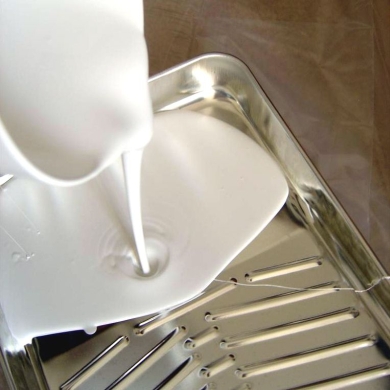
Latex paint is the choice in the majority of DIY projects. It dries quickly, usually in less than 6 hours, and this means getting more done in less time. It’s much less likely to breed mildew because the
water base, unlike oils, which can feed mildew in the case of low quality brands.
Cleaning brushes and rollers is easy with latex paint; soap and water does the trick. Disposing of the
cleaning materials is no longer much of a problem a problem and most municipalities have designated pick-up days for parially used cans.
Latex paint is also quite flexible. This quality is important when applied to surfaces
that expand and contract when exposed to heat and cold, surfaces like aluminum siding and metal garage doors.
Paint Sheen: There are Choices
What is paint sheen? It is the extent of shine that the dried surface shows. The right one for the job is dictated by aesthetic needs, how cleanable the surface needs to be (think kitchens, bathrooms, and door jambs),
and how many surface flaws are present.
A rule of thumb is that the shinier the paint, the more the flaws will stand out.
There are four basic paint sheen grades: gloss, semi-gloss, eggshell or satin, and flat.
Gloss — Gloss paint is the shiniest of all. It reflects more light and
is very washable. It’s usually applied to door jambs, baseboards, and other wood
trim, to set it off visually from the wall.
Semi-gloss — Semi-gloss is slightly less reflective and more subdued than gloss but is still a breeze to clean. It is also an excellent choice in kitchens and bathrooms.
Eggshell and satin — This sheen is a slightly duller than semi-gloss. Visually, it lends a warmth to walls, so it works well on
drywall walls, over prepared paneling, as well as kitchen cabinets.
Flat — Flat sheen barely reflects light. This makes it an ideal choice for ceilings. One drawback is that it is difficult to clean.
To summarize, consider the project and use paint characteristics to your advantage, to decide whether oil-base or water-based latex is correct when choosing interior and exterior paint and which sheen is most acceptable for the job. Then, pick the color!
Kelly R. Smith is an Air Force veteran and was a commercial carpenter for 20 years before returning to night school at the University of Houston where he earned a Bachelor’s Degree in Computer Science. After working at NASA for a few years, he went on to develop software for the transportation, financial, and energy-trading industries. He has been writing, in one capacity or another, since he could hold a pencil. As a freelance writer now, he specializes in producing articles and blog content for a variety of clients. His personal blog is at I Can Fix Up My Home Blog where he muses on many different topics.












 Latex paint is the choice in the majority of DIY projects. It dries quickly, usually in less than 6 hours, and this means getting more done in less time. It’s much less likely to breed mildew because the
water base, unlike oils, which can feed mildew in the case of low quality brands.
Latex paint is the choice in the majority of DIY projects. It dries quickly, usually in less than 6 hours, and this means getting more done in less time. It’s much less likely to breed mildew because the
water base, unlike oils, which can feed mildew in the case of low quality brands. Kelly R. Smith is an Air Force veteran and was a commercial carpenter for 20 years before returning to night school at the University of Houston where he earned a Bachelor’s Degree in Computer Science. After working at NASA for a few years, he went on to develop software for the transportation, financial, and energy-trading industries. He has been writing, in one capacity or another, since he could hold a pencil. As a freelance writer now, he specializes in producing articles and blog content for a variety of clients. His personal blog is at